
Blurry Around The Edges by Anonymous

To be frank: we are eight hundred people trapped in a snow globe. No, that’s too gentle. We are eight hundred people sharing a single, cracked fishbowl. Everyone knows not just your name, but the name of your ex, your ex’s new situationship, and the exact timestamp of that mildly problem
atic thing you said outside the bar that one night. And because it was problematic, everyone knew it was you who said it. That’s how it goes. Constantly seeking that gasping piece of information like it’s spare papers for your cigs.
To be frank: sometimes, it works. When institutional channels fail us, suddenly developing a convenient blindness, the lightning rod of collective outrage can be the only tool left. It is a raw, chaotic justice in a place that holds its own accountable. Bigots must not be coddled, predators must not be excused. Some people earn their cancellation the old-fashioned way: by actually doing something horrible.
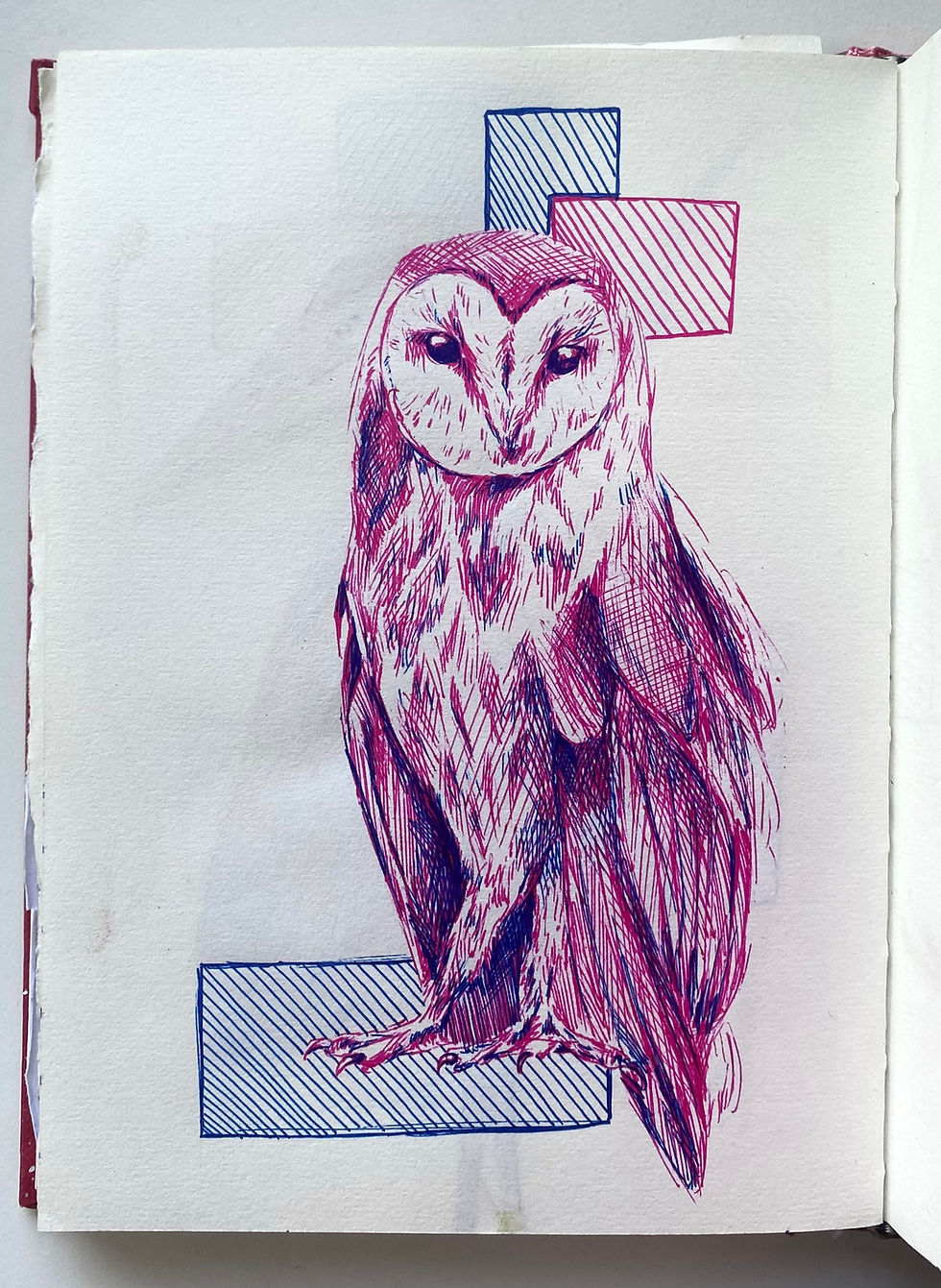
To be frank: our way of canceling, at times, has the precision of a sledgehammer in a china shop. Here, word travels like ink in water: unstoppable, ultimately illegible. By the time it travels far enough, it has mutated. What remains is a caricature, all sharp edges and
no shadows, and we are very, very good at condemning caricatures. Humans are blurry around the edges. Humans are watercolors, soft, bleeding, impossible to frame. Yet we never cease to frame them.
To be frank: we all took part in this, one way or another. You might have decided someone was ‘problematic’ based on a third-hand account from a person who wasn’t even there. You might have seen that screenshot without asking what came before or after. We ought not to forget we are amateurs at public excommunication, yet we too quickly jump to it. We built
guillotines. And guillotines, to be frank, do not care. They just drop. ‘Would I want my worst three seconds to define my whole life?’
To be frank: the truly surprising part? We do it to feel righteous. On the right side of the story. It is a bitter thing to admit, but to be frank demands bitter things.
To be frank: the irony of it all is that we pride ourselves on our critical thinking. We spend hours every week in classrooms picking apart rhetorical fallacies and interrogating bias. We learn that context is a necessity. That to judge a text, we must first read it - the whole text, not the explain-it-to-me-like-I’m-five ChatGPT summary. And yet. The moment we step outside the classroom, we abandon every single one of those habits. A rumor about a rumor about a comment becomes a conviction. Why are we so quick at drawing our sledgehammers? Well, rage is fast, social, thrilling. Choosing to pause and wait for more information feels like a betrayal towards our source. Like weakness. We perform our virtue at the speed of a forwarded message, with the risk of becoming who we want to fight: people who see noise as justice and condemn without a trial.
To be frank: accountability is necessary. No gold stars for trying. Though a place that teaches us to interrogate a poem for two hours should be able to pause for two minutes when hearing a story. ‘Cause maybe this is to be truly frank.


Comments